Category: Family Law
-

Preparing for Your Domestic Violence Restraining Order Hearing
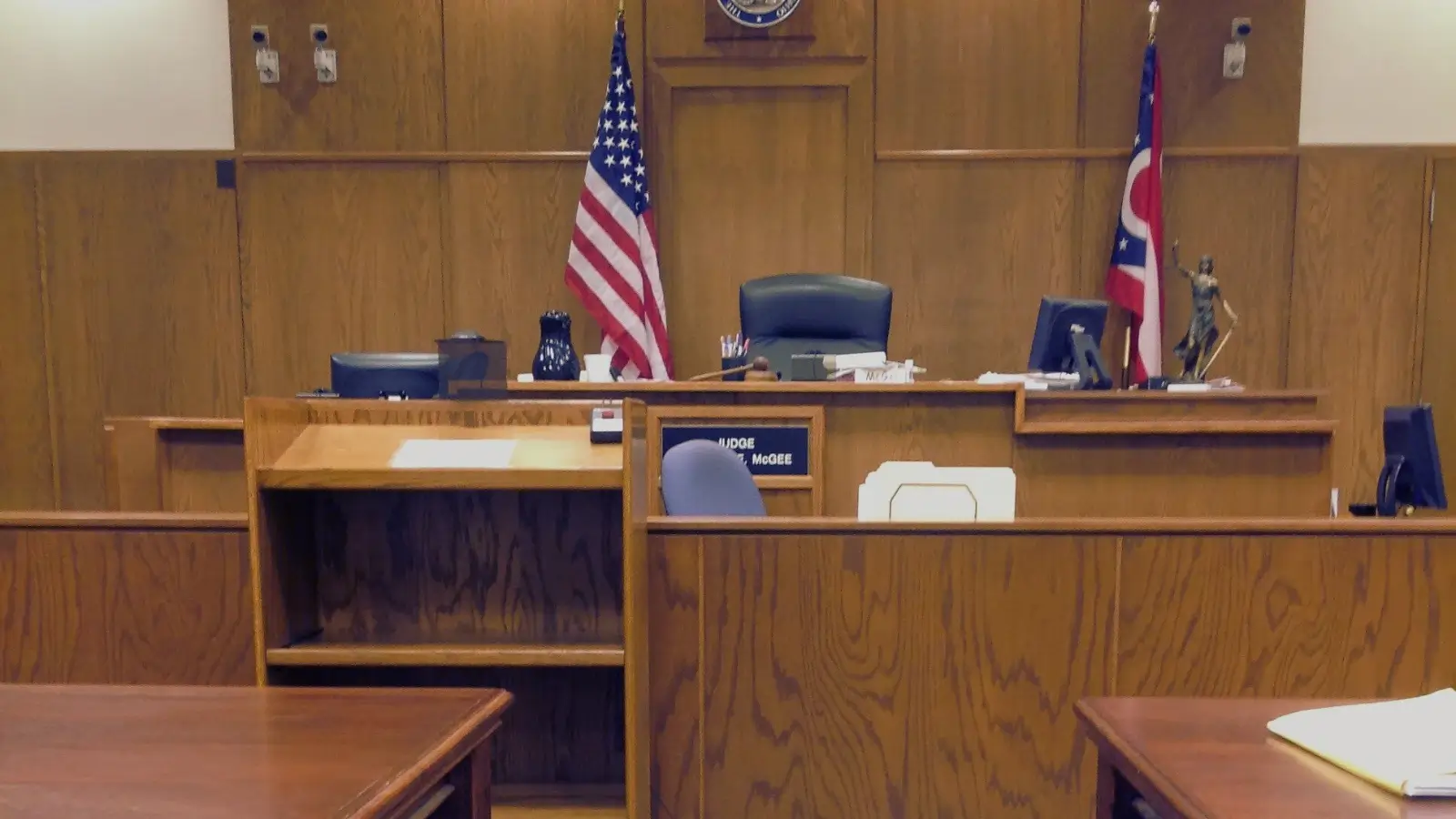
A DVRO court hearing is a critical moment in your case and should never be taken lightly. If you requested the restraining order and do not attend, any temporary protection will expire and the judge may issue orders against you, including attorney’s fees. If a restraining order was requested against you and you fail to…
-
Someone Requested a DVRO Against You. What Happens Now?
Being served with a request for a Domestic Violence Restraining Order is often shocking and disorienting. Documents are handed to you without warning, filled with serious allegations and strict orders that take effect immediately. In a matter of moments, your access to your home, your children, and even your property can be put at risk.…
-
The Silver Bullet Strategy: What it is and How to Fight it.
In high-conflict family law cases, particularly divorce and child custody disputes, the term silver bullet strategy is often used to describe the alleged misuse of false allegations and Domestic Violence Restraining Orders (DVROs) to gain a tactical advantage.When deployed, this strategy can immediately shift custody arrangements, remove a parent from the family home, and shape…
-
Explained: Modifying or Terminating a DVRO in California
A Domestic Violence Restraining Order (DVRO) can have long lasting effects on housing, parenting, employment, and personal freedom. In California, DVROs can remain in place for up to five years, and in some cases even longer. What many people do not realize, however, is that a DVRO is not always permanent. Under California Family Code…
-
How to Defend Yourself Against a False Domestic Violence Accusation
Being accused of domestic violence can be frightening and overwhelming. Especially if the allegations are untrue. In California family court, domestic violence accusations carry serious consequences, including loss of child custody, removal from your home, firearm restrictions, and long-term reputational harm. While courts take domestic violence very seriously, false or exaggerated allegations can and do…
-
What Is Abuse Under California Family Law
Abuse is a term that comes up frequently in family law cases, but it is often misunderstood. Many people assume abuse only refers to physical violence. California law takes a very different approach. In divorce, child custody, and domestic violence cases, courts recognize that abuse can take many forms. This can include physical, emotional, psychological,…
-
How California Courts Decide What Is in a Child’s Best Interest
When parents can’t agree on who should have custody of their child, the decision falls to a California judge. But judges aren’t allowed to play favorites or hand out custody based on who’s the “better” parent in a general sense. Instead, California law requires courts to make custody decisions based solely on what’s in the…
-
How Holiday Spending affects Child Support
The holidays tend to bring extra expenses. Parents often want to make the season special with gifts, activities, and family traditions. When you are separated or divorced, it can raise an important question: does holiday spending count toward child support? In California, the answer is almost always no. Child support is a legal obligation that…
-
What to Do When Your Ex Won’t Follow the Holiday Schedule
Holiday custody schedules are supposed to make this time of year calmer and more predictable. When one parent does not follow the plan, the stress can escalate fast. Missed exchanges, last minute changes, and broken agreements can disrupt your plans and create tension for your child as well. In California, the holiday schedule usually overrides…
-
Co-Parenting During Holidays: Stuff That Blows Up Parenting Plans
If there is one part of a parenting plan that explodes on a regular basis it is holidays and vacations. You think you agreed. Then December hits and suddenly you are arguing about Christmas Eve, pickup times, and whether a “quick trip” to grandma’s house out of state is allowed. Every. Single. Year. If you…
-
Co Parenting With Someone You Do Not Trust
Co parenting is hard enough when you like each other. When you do not trust your ex, it can feel impossible. If you are in California and recently divorced, in the middle of a case, or thinking about filing, here is the blunt truth: you do not need to magically trust your ex to protect…
-
5 Red Flags in a Divorce Agreement You Should Never Ignore
Divorce is stressful enough, but spotting Red Flags In A Proposed Divorce Agreement You Should Never Ignore is a whole different battle. Many people sign paperwork they don’t fully understand, only to regret it later when the terms turn out to be unfair or damaging. If you’re reviewing an agreement, you need to keep your…
-
Marriage Requirements Under California Law
In California, a marriage is legally valid only if it meets the requirements set forth in the California Family Code. These laws define who can marry, under what circumstances, and the procedures that must be followed for the marriage to be recognized by the state. Legal Capacity to Marry For a marriage to be valid…
-
ABA Formal Opinion 508: The Ethics of Witness Preparation
Witness preparation is when a lawyer gets their client, or other witness, ready to testify in court or at a deposition. It is a critical part of any lawsuit, hearing, or deposition. The American Bar Association (ABA) now clarifies what is ethical and what crosses the line, especially with more legal proceedings happening over Zoom…
-
How to File for Contempt in California Family Court
Filing for contempt in California family court is a serious legal action used to enforce compliance with existing court orders. Whether it involves unpaid support, denied visitation, or violations of restraining orders, a contempt proceeding can hold the noncompliant party accountable through court-imposed penalties. But because contempt is considered quasi-criminal, the process is strict, technical,…
-
How Contempt of Court Works in California Family Law
In California family law, contempt of court is a serious, quasi-criminal remedy used to enforce compliance with court orders. While it’s a powerful legal tool, it’s also subject to strict rules and procedures. Contempt arises when one party willfully disobeys a lawful order issued by the family court, whether that order relates to child support,…
-
The Legal and Emotional Toll of Divorcing a Narcissist
Divorce is never easy. But when your spouse is a narcissist, it becomes something else entirely: a strategic, psychological, and legal war. Narcissists often view divorce not as a painful end to a relationship but as a competition they must win—no matter the cost. They manipulate, distort, and litigate their way through the process with…
-
How to Win a Custody Battle with a Narcissist
When entering a custody battle with a narcissist, the road ahead can seem daunting. Narcissists are known for their manipulative, deceitful, and emotionally exhausting tactics, making child custody cases with them especially complex. To successfully navigate this process, it is crucial to understand what you’re up against and to have an experienced attorney by your…
-
What happens if you don’t pay child support
In California, child support is a legally binding obligation that ensures both parents contribute to the well-being and financial needs of their child. When a parent fails to pay court-ordered child support, the legal and financial consequences can be severe. This article offers a comprehensive guide on what happens when child support payments go unpaid,…
-
How Child Support Works in California
Understanding how child support works in California can be a complex but important process for parents. Whether you’re in the midst of a separation, divorce, or simply trying to ensure your child’s financial needs are met, having clear information about the state’s child support laws is essential. This guide provides a comprehensive look at the…