
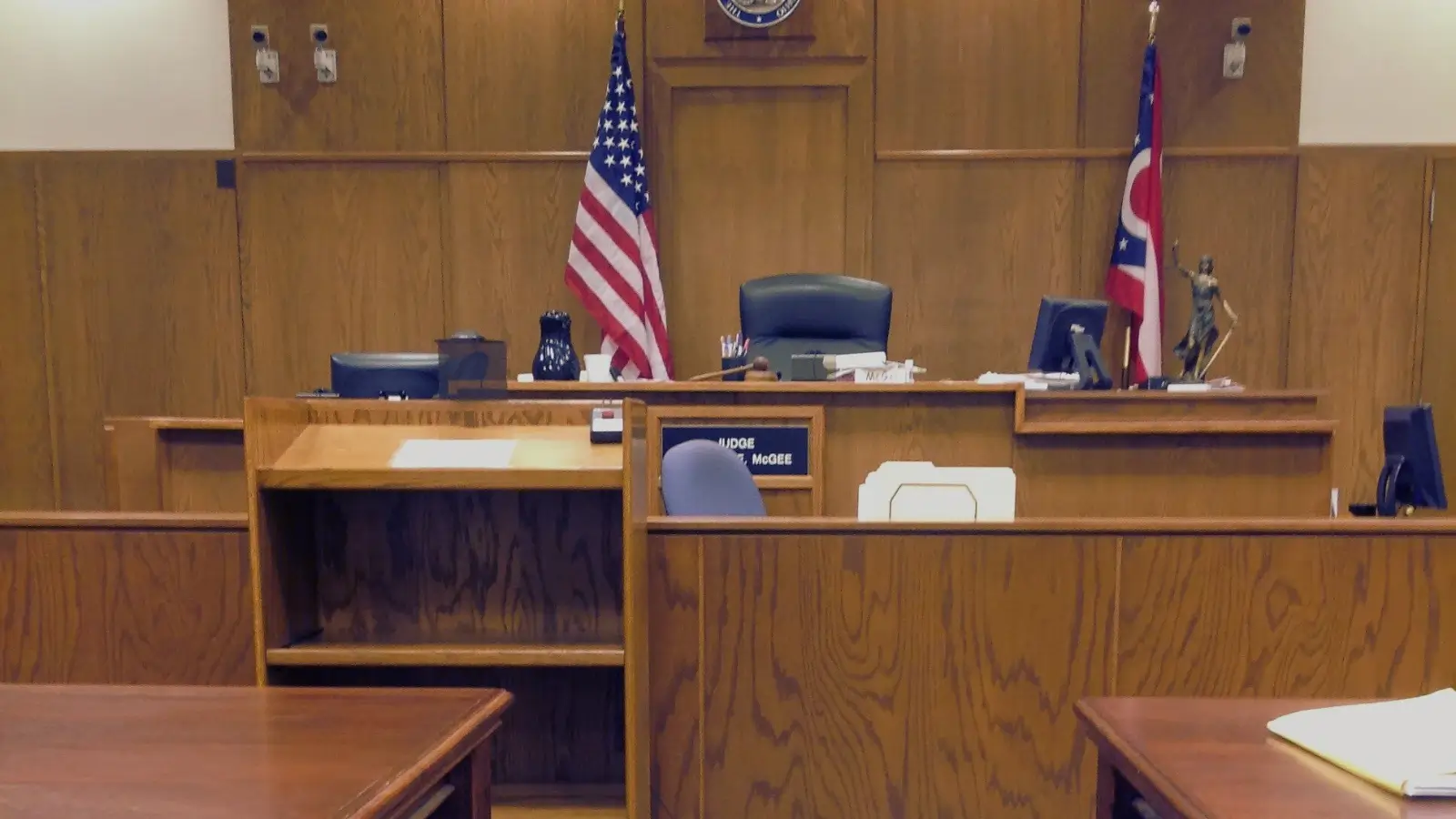
A DVRO court hearing is a critical moment in your case and should never be taken lightly. If you requested the restraining order and do not attend, any temporary protection will expire and the judge may issue orders against you, including attorney’s fees. If a restraining order was requested against you and you fail to appear, the judge may grant the order without hearing your side, potentially imposing long-term restrictions that can last up to five years and affect custody or property.
Understanding what to expect at the hearing can help you prepare and protect your rights.
Plan ahead
Before your court hearing, take time to plan ahead so you can attend fully prepared and without unnecessary stress. Courts have specific procedures for certain services, and arranging these in advance can prevent delays or complications on your hearing date.
Here are some things you should plan ahead:
- Witnesses
- Child Care
- Remote attendance
- Interpreter
- Support Person
- Disability Accommodations
Bring Evidence or Witnesses to Your Court Hearing
Bringing evidence or witnesses is optional and not required. Your statements alone can be sufficient; however, supporting documents or testimony can strengthen your credibility and help the judge understand what occurred.
Evidence may include photos, emails, text messages, medical records, or police reports. Any evidence you rely on must be shared with both the judge and the other party. If you attend court in person, bring three copies of any written evidence unless it has already been filed and served. If you are appearing by phone or videoconference, contact your local self-help center in advance to learn how to submit evidence properly.
Some documents may not be accepted. The judge will decide which documents can be included in your case.
Witnesses: You may also ask the judge to allow witnesses to testify. Witnesses must appear in person or virtually if the court permits remote testimony. If a witness will not appear voluntarily, you may issue a civil subpoena to require attendance.
If you plan to call multiple witnesses, additional paperwork may be required, so check with your local self-help center before the hearing.
Don’t be late
Arrive or call in early. If you are attending online, practice using the technology before your court date. If you are late, you may miss your case being called. If you might be late, let the courtroom staff know beforehand.
Be Safe
If you attend in person, do not sit near or talk to the other person. If you are afraid of the other person, tell the officer who is in the courtroom. If you attend by videoconference, and you don’t want the other side to see where you are or your phone number (if you call in), talk with an advocate about how to safely attend using videoconference. This may include using a virtual background or using another phone number to call in.
You can contact the National Domestic Violence Hotline for free help.
Follow Courtroom Rules
Here are some common rules:
- Put your cellphone on silent mode, if you’re attending in person.
- Do not eat or drink during your hearing, except for water.
- Do not wear a hat or sunglasses on your head.
- When speaking to the judge, call the judge “Your honor” or “judge”.
- Wait until it’s your turn to speak and don’t interrupt anyone
What Happens During the Hearing?
The judge will give both sides time to speak. Usually, the judge asks the person who wants the restraining order to talk first, but you will have an opportunity to be heard.
Tips for speaking in court:
- Organize your points clearly and chronologically
- Focus on facts, not personal attacks
- Speak calmly, answer directly, and remain respectful
Demonstrating self-control and honesty can strongly influence how your testimony is received.
Possible Decisions
Continuance
At the court hearing, the judge may not always make a final decision right away. In some cases, the court will reschedule the hearing, a process known as a continuance, to ensure both sides have a fair opportunity to prepare and be heard.
A continuance may be granted for several reasons.
- The person asking for the restraining order did not serve the other side in time.
- The judge needs more time to hear the case.
- If the restrained person has not filed a response and asks for more time to prepare
When a hearing is continued, the judge will usually extend any existing temporary restraining order and issue a new order. It is important to obtain a copy of this order and review it carefully.
If the judge does not grant a continuance, the court will proceed to a decision. The judge can make several important decisions
DVRO Denied
If the judge finds that the legal standard for abuse under the Domestic Violence Prevention Act was not met. They may deny the request. This means no restraining order is issued, and any temporary orders immediately expire.
There is no formal appeal available for a denial of a DVRO under the DVPA unless it was an abuse of discretion or the court made a clear legal error.The protected party may file a motion for reconsideration if they have new evidence or facts that couldn’t reasonably have been presented earlier. They can also file a new request, but it must be based on new incidents or changed circumstances.
DVRO Granted
If the court grants the permanent restraining order, it’s not as simple as saying “Yes”. The DVRO is a collection of individual protections and restrictions and the judge must rule on each one individually.
The court could find the allegations credible and legally sufficient, and give the protected party everything they asked for (or close to it). Alternatively they could acknowledge some level of abuse or risk, but limit the scope of the protection to fit the facts by granting some of the requested orders, but denying or modifying others.
Either party can ask for the DVRO to be modified or terminated at any time. You can read about how to change or end a restraining order here.
What Do I Do After a Restraining Order Is Granted?
If the long-term restraining order is granted, you may have a couple more steps to take.
Protected Person
Your restraining order will be on Form DV-130, Restraining Order After Hearing. If you do not have a signed copy, check with the clerk. If one has not been filed, you will need to fill one out. You may also need to complete additional forms, including DV-140 for custody orders and FL-342 or FL-343 for support orders.
Turn all completed forms into the clerk for the judge’s signature. There is no fee, and you should receive free copies.
Review DV-130 carefully to determine how service must be completed. Proper service is essential for enforcement.
Learn more about service at:
https://selfhelp.courts.ca. gov/DV-restraining-order/serve-longterm-order.
Make sure all steps are completed as soon as possible. If you do not, the police may not be able to enforce your restraining order.
Restrained Person
You must obey all orders on form DV-130. Violating them can result in arrest or criminal charges. If you have firearms, firearm parts, or ammunition, you must surrender them to law enforcement or a licensed gun dealer if you have not already.
A DVRO hearing moves quickly and can have lasting consequences, making preparation and attendance essential. Knowing how the process works, what the judge will consider, and how decisions are made allows you to present your case clearly and avoid costly mistakes. By understanding what to expect, you put yourself in the strongest position to protect your rights and interests at the hearing. Consulting with an experienced attorney is strongly recommended to protect your rights and ensure your case is presented effectively.
Contact Us Today
If up need a domestic violence attorney in Orange County or Los Angeles, contact us today. We are here to help you navigate this challenging time with the utmost care and professionalism.
